A moment of pure presence with my mum in her final days
There’s a moment I keep coming back to.
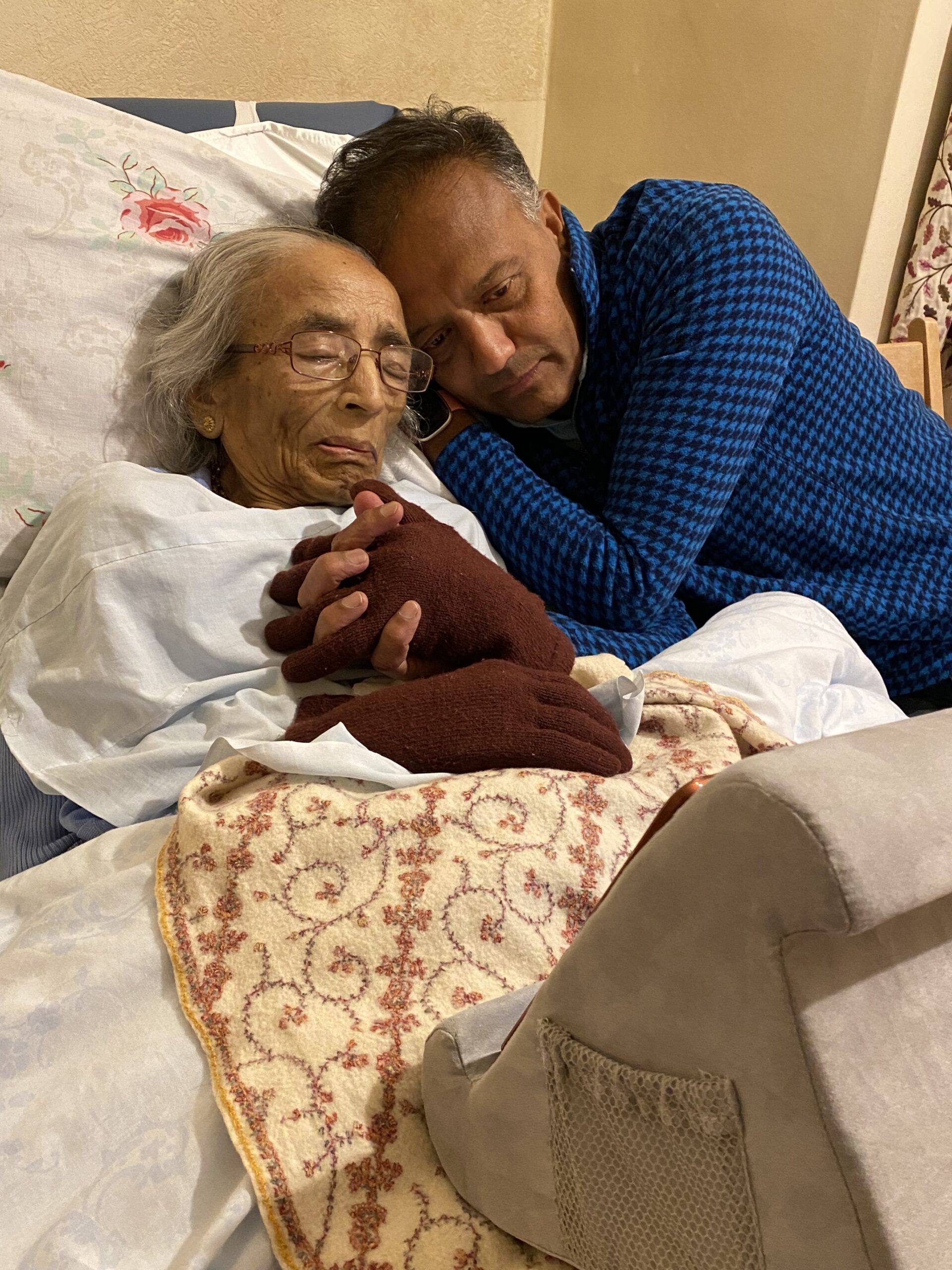
It’s late evening. The house is quiet. My mum is lying in bed in her final days, and there’s a stillness in the room that feels heavy and uncertain — the kind of silence where you don’t quite know what to say, or what comes next.
And then the doorbell rings, breaking the haunting silence.
Two nurses arrive.
They walk in calmly, without urgency or drama — just a quiet, steady presence. One of them speaks gently, checks on my mum, adjusts what needs adjusting, and brings a sense of order to what had felt like chaos.
But it wasn’t just what the nurses did.
It was how they were.
Because in that moment, something shifted. The tension softened. The anxiety eased. And for the first time that day, we could breathe.
Over the days that followed, that calming presence continued.
The nurses returned day after day, not just to provide care, but to create an environment where dignity and humanity were never lost, even in the final stages of life.
Because of them, my mum’s last days were comfortable, peaceful, and as full of grace as they could possibly be.
I will never forget that.
What has stayed with me just as strongly is the realisation that not everyone receives that kind of care.
Every five minutes, someone dies without the end-of-life support they need — without that calm, that dignity, that sense of being held at a time when it matters most.
And that simply shouldn’t be the case.
👉 If this resonates, I’d be incredibly grateful for your support:
https://2026tcslondonmarathon.enthuse.com/pf/arvind-devalia
That is why I’m running this year’s London Marathon next Sunday 26th April.
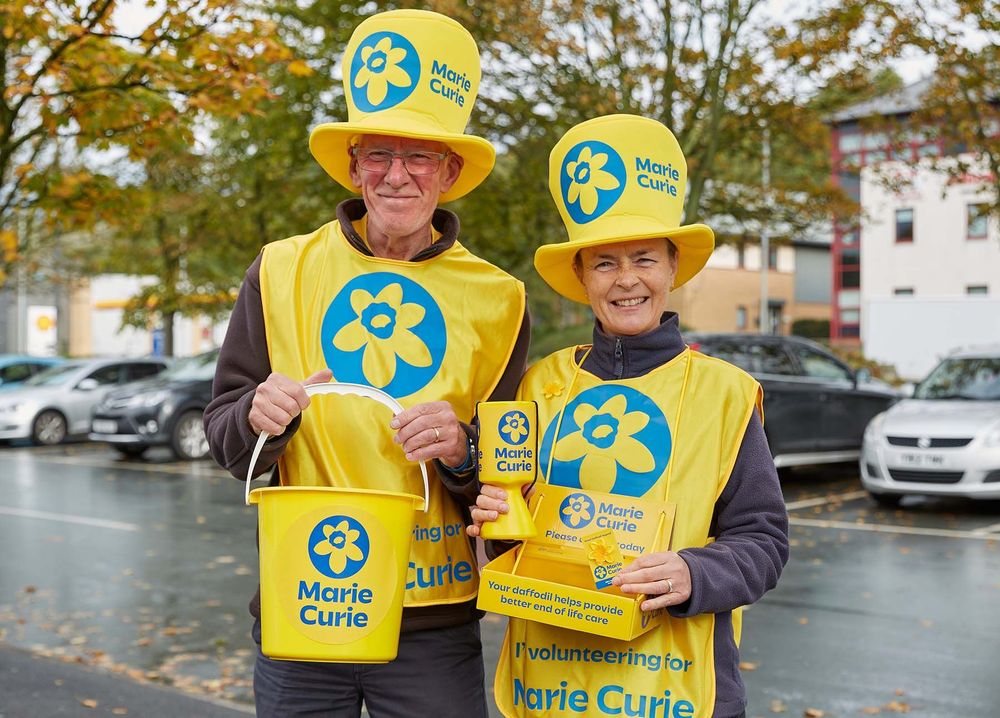
This year I’m running in support of Marie Curie — an organisation that provides this kind of compassionate end-of-life care to thousands of families every year.
While the nurses who supported my mum were from another organisation, the care, compassion, and presence they brought are exactly what Marie Curie makes possible for so many others.
Because what matters most in those moments isn’t the name of the organisation — it’s the human connection, the dignity, and the care they bring into people’s lives.
Last Sunday, I went out for an 18-mile walk/run through North London — my final long training session before the marathon.
It was early, but the city was already waking up.
As I moved through different neighbourhoods, I passed what felt like a cross-section of the world. People heading to church. Families gathering for breakfast. Small groups talking, laughing, starting their day in their own ways.
Fathers with their kids on an early morning stroll to the nearest playground.

At one point it struck me that it felt like a quiet stroll through the United Nations.
So many different backgrounds, cultures, and lives intersecting in the same space.
Some faces were full of energy and joy. Others seemed more distant, more preoccupied.
And yet, underneath it all, there was something shared.
Everyone, in their own way, simply trying to move forward. To find meaning. To feel connected.
At some point, I started smiling at people as I ran past.
And something unexpected happened.
People smiled back.
Not everyone. But enough for it to become noticeable — almost contagious.
It was a small moment, but it stayed with me. A reminder that connection doesn’t always require time, words, or effort. Sometimes it begins with something as simple as being present — and choosing to acknowledge another human being.
This idea of connection, in its simplest and most human form, is something I’ve seen play out many times over the years.
Running the London Marathon has never just been about the distance for me.
This will be my 12th London Marathon – and in previous years, I’ve used it as a way to support people who truly needed it.
One that has always stayed with me is Jesse — a young girl whose story touched so many hearts.
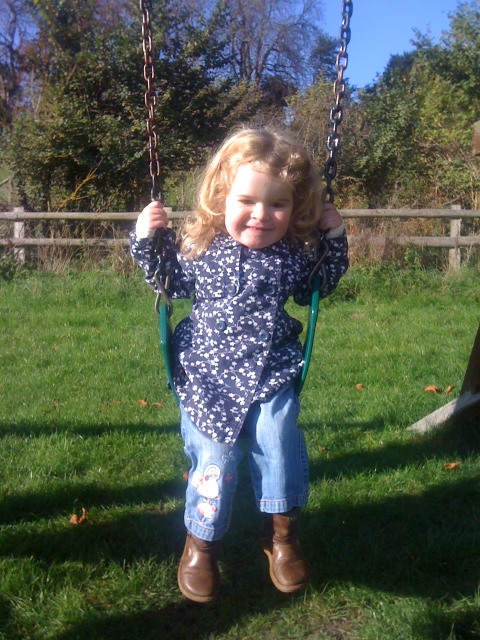
Four year old Jessica was poorly from birth, but it was not until she was six months old that doctors diagnosed Jeunes Syndrome – a condition so rare it affects just one in every 130,000 children.
The condition can cause a host of problems including a very small rib cage which means that the lungs cannot develop properly.
The way people came together to support her was extraordinary.
And what made it even more meaningful was meeting Jesse and her father after the marathon, at a WellChild event. Seeing them in person brought everything full circle — a powerful reminder that these efforts genuinely make a difference in people’s lives.
If you’d like to read Jess’s story, you can find it here:
👉 https://www.arvinddevalia.com/help-me-help-jess/
This year, the cause is different. But the intention is the same.
To take something deeply personal to me — and turn it into something that helps others.
As I stand on the start line next Sunday, I won’t just be thinking about the finish.
I’ll be thinking about those moments — the quiet, human ones — and about the opportunity to contribute, in some small way, to making that level of care available to more families.
If this resonates with you — whether through your own experiences, or simply through a belief that this kind of care matters — I would be incredibly grateful for your support.
👉 Sponsor me here:
https://2026tcslondonmarathon.enthuse.com/pf/arvind-devalia
Every contribution, no matter the size, helps Marie Curie continue their extraordinary work, bringing care, compassion, and dignity to those who need it most.
And if nothing else, take a moment today to pause, reflect, and connect — with yourself, with someone you love, or with what truly matters in your life.
Because in the end, that’s what stays with us.
P.S. Next Sunday is the big day. If you missed the link to support Marie Curie and the ‘Connection’ they provide at the end of life, you can find my sponsorship page here.
https://2026tcslondonmarathon.enthuse.com/pf/arvind-devalia