Last week, I wrote about the little red bus my father used to give me for Diwali when I was a boy in Kenya. I asked what you’d love to be an ordinary part of your week by the time Diwali comes round again. My answer was more walks in Regent’s Park with a friend.
I meant that. I also realise it was the easier answer to share.
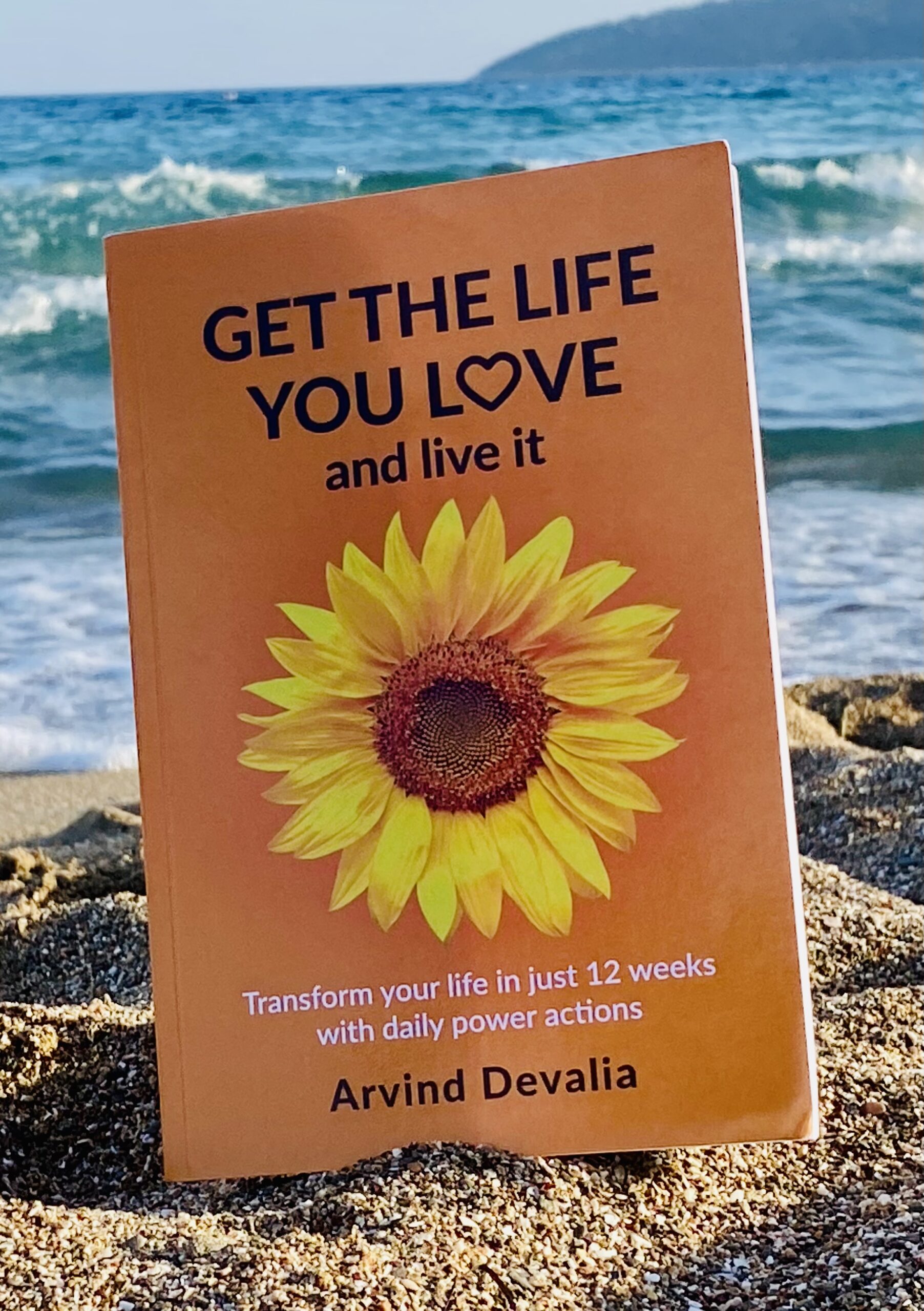
As the Gujarati New Year began here in London, I found myself returning to page 11 of my book, Get the Life You Love. There are a few dotted lines where I invite you to imagine looking back on your life 25 years from now. This Sunday, I’d like to bring that a little closer and ask the question a different way.
20 years from now, what will you be glad you did?
“The privilege of a lifetime is being who you are.”
— Joseph Campbell
When I look twenty years ahead, one thing I know I’ll be glad of is every time I picked up the phone and made time for a friend.
If you have a pen handy, try finishing this sentence before you read my answer. “I’m so glad I finally…”
I’d be glad I gave more of my working life to the conversations I love, helped people do things they’d scarcely dared to consider, and built a thriving business around that work. I’d also be glad I made room in my life for someone to share it with. In fact, if you asked me that question on one of those walks in Regent’s Park, I suspect we’d spend quite a bit of the walk talking about that last sentence.
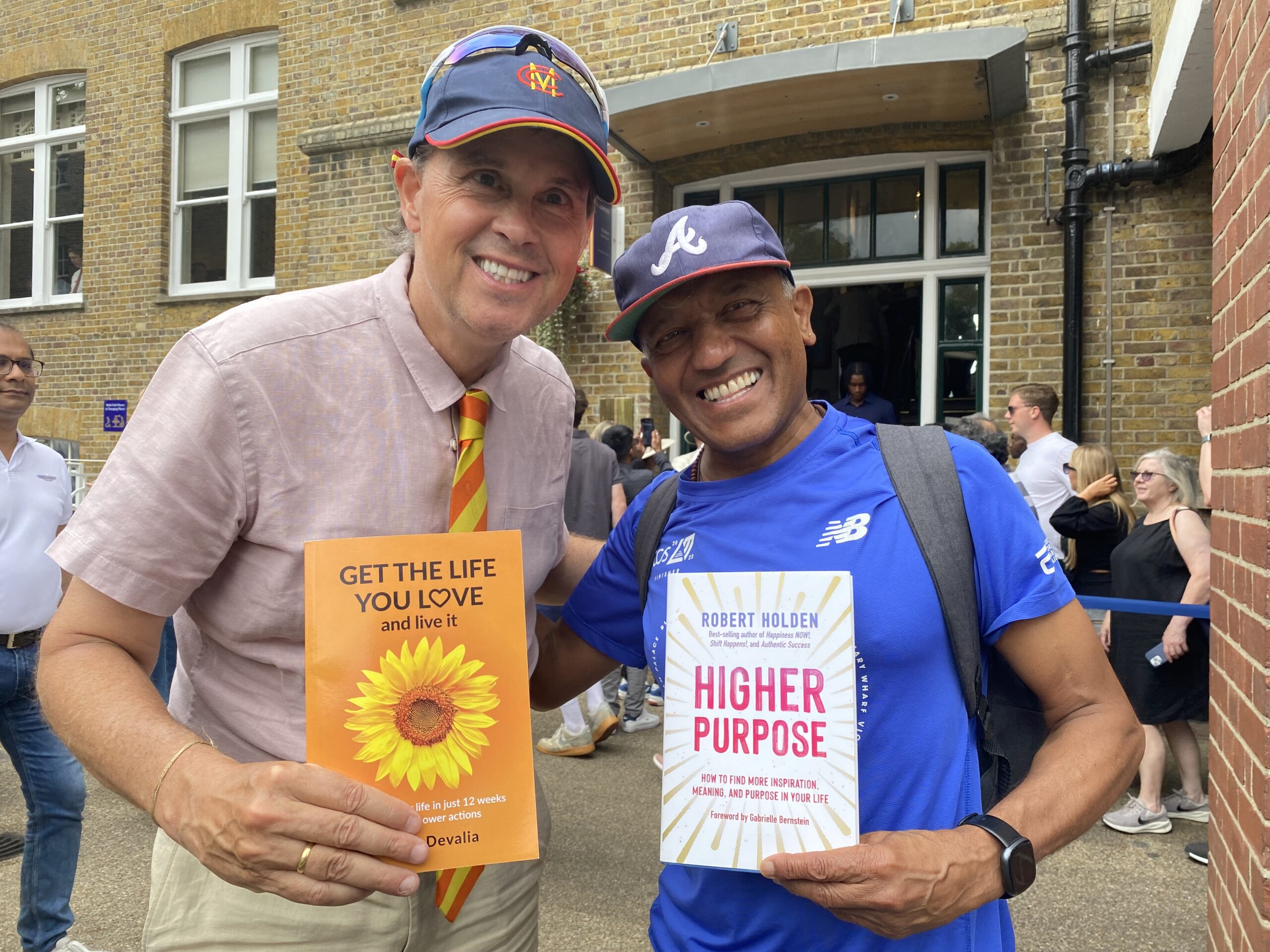
It’s a slightly cheeky thing to write a book called Get the Life You Love. People are entitled to ask how the author is getting on. As I think about relaunching it, I find myself drawn to the questions that still have something to ask of me.
What would you take with you?
The exercise on page 11 of my book comes from Chapter Two, which is about creating an inspiring vision for your life.
I chose to begin the book with Chapter One being about gratitude, and I still like that order. Before you make plans to change your life, it’s worth noticing what you’d be sorry to lose.
Here are three exercises from Chapter One that you can try this Sunday.
1. Write down ten things you’re grateful for.
On my list you’d find Regent’s Park, the friends who turn up there in August with picnic blankets, and the fact that I can still make myself smile by thinking about my father handing me that toy bus. If your first answer is “my family”, keep going for another sentence. What happened recently that made you glad these particular people are yours? That sentence is often where the memory is.
2. Choose three people and tell them what you appreciate about them.
You might have someone in your life who always rings after a difficult meeting because they know you’ll want to talk it through. Imagine telling them, “You know those calls you make when I’ve had a tricky day? I look forward to them. I thought you ought to know.” They may have spent years doing something that matters to you without ever knowing quite how much.
3. Give appreciation a place in your week.
The book invites you to think of five ways to practise it in everyday life. You could start with one. When you finish reading something a friend has written, send them the sentence that stayed with you. If someone made an introduction that led to a job or a friendship, go back and tell them what happened. As someone who has introduced a fair few people over the years, I can tell you how lovely it is to hear the rest of the story.
Now look at your list. Beside one name, write down something you’d be glad you did while you had the chance. For me, that brings me back to those walks. I already have the friends. What needs a little attention is the time.
What my diary tells me
The same question has made me look at how I spend my working week. There’s a part of coaching I particularly enjoy. Someone comes along with a decision they’ve been turning over for months. As we talk, they find themselves saying something they hadn’t expected to say. Often, that’s when we get to the question that really matters to them.
I’d like to serve more people in that way. And it occurs to me that some of you have been reading my Sunday letters for years and may never have heard me say what I love about the work.
If you’ve ever had a picnic invitation from me, you’ll appreciate the irony. You’ll know which entrance to use at Regent’s Park, where to find us and that you’re welcome to bring a friend. I’d like to bring that same warmth and clarity to inviting someone to work with me.

Perhaps you’d be glad you were home for supper on Wednesdays. At the moment there’s a meeting that keeps you late. You know what leaving at five would involve. Someone else would need to chair the last half hour, and you’d have to trust them to make a decision while you’re on your way home. Suddenly, “I want more time with my family” becomes a conversation you could have with a colleague on Monday morning.
Twenty years gives me room to be ambitious. Looking at next Wednesday tells me where I might begin.
What happens when you say it out loud?
In our first conversation, my client Dave Ray said out loud for the first time that he wanted to coach leaders in large organisations, and a decade later he was doing just that through his own executive coaching business.
As Dave put it, “Arvind didn’t just hear it. He took it seriously, and he helped me believe it was possible.”
That’s what I’d love the relaunch of Get the Life You Love to make possible. I like the thought of someone picking up the book on a Sunday morning, writing something on those dotted lines that surprises them, and ringing a person they trust to say, “Actually, I think I really do want this.”
If you’re a founder or leader and your answer has brought a decision to mind, you’re welcome to bring it to me. Perhaps there’s work you’d love to do, or a change at home that depends on a choice you make at work. If you’d value someone who’ll take that ambition seriously and help you think through your next move, I’d be glad to talk.
Book a private conversation with me
Before you put your pen down, go back to the sentence you started. Underneath it, write one more. “This week, I’ll…”
A name and a day would be a lovely answer. I rather like the idea that, years from now, two old friends might be walking through Regent’s Park and one of them will say, “I’m glad you rang.”