
Recently, I experienced one of those beautiful, unexpected moments that remind us what really matters in life.
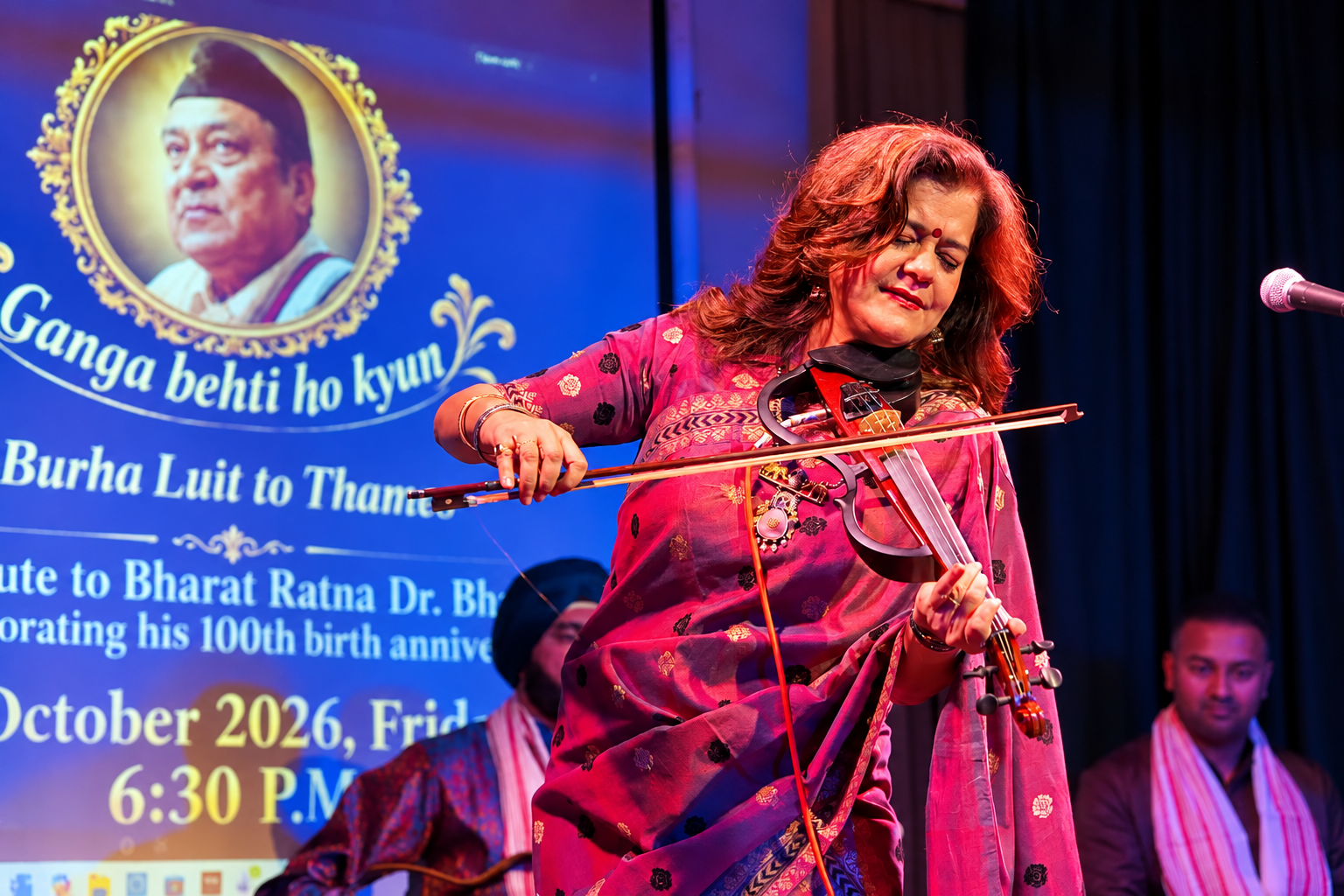
I attended a special concert at The Nehru Centre in London celebrating the 100th birth anniversary of Bharat Ratna Dr Bhupen Hazarika, the legendary Indian composer, poet and humanist affectionately known as the Bard of the Brahmaputra.
I didn’t know much about him before this event and I went along not knowing what to expect apart from perhaps an evening of pleasant music.
What I hadn’t anticipated was how deeply the performances would move me, bringing back precious childhood memories and prompting me to reflect on the values that have shaped my life.
It was an evening that stayed with me long after the music had ended.
A Song That Took Me Back to My Childhood
One of the performers was the extraordinarily talented violinist and singer Sunita Bhuyan, who gave a beautiful rendition of Vaishnav Jan To, one of Mahatma Gandhi’s favourite bhajans.
As you read this, I invite you to listen to Vaishnav Jan To, the beautiful bhajan that brought back so many memories for me.
Written by the 15th-century Gujarati poet Narsinh Mehta, the bhajan describes a compassionate person as someone who understands the suffering of others, helps without seeking recognition and lives with humility.
As Sunita sang and played this beautiful melody on her violin, I found myself becoming increasingly emotional. Her playing was almost ethereal, and for a while I felt transported to another world, experiencing a sense of peace, joy and connection that I can only describe as pure bliss.
It was during those moments that my thoughts turned to my late father.
My father had been deeply influenced by Gandhiji and his teachings from his youth. He became a prolific writer in Gujarati, sharing his reflections on Gandhi’s philosophy and becoming a respected writer within our community.
Both my parents were deeply spiritual people who believed in service, sacrifice and caring for others. We didn’t have much in the way of material possessions when I was growing up, but looking back, I realise just how much they gave us.
They gave us values that money could never buy.
I have such fond memories of my father gathering my two brothers and me together when we were young, telling us stories about people doing good in the world. He would also share tales from the Ramayana and Mahabharata, using these wonderful Indian epics to teach us about life, relationships, courage and doing the right thing.
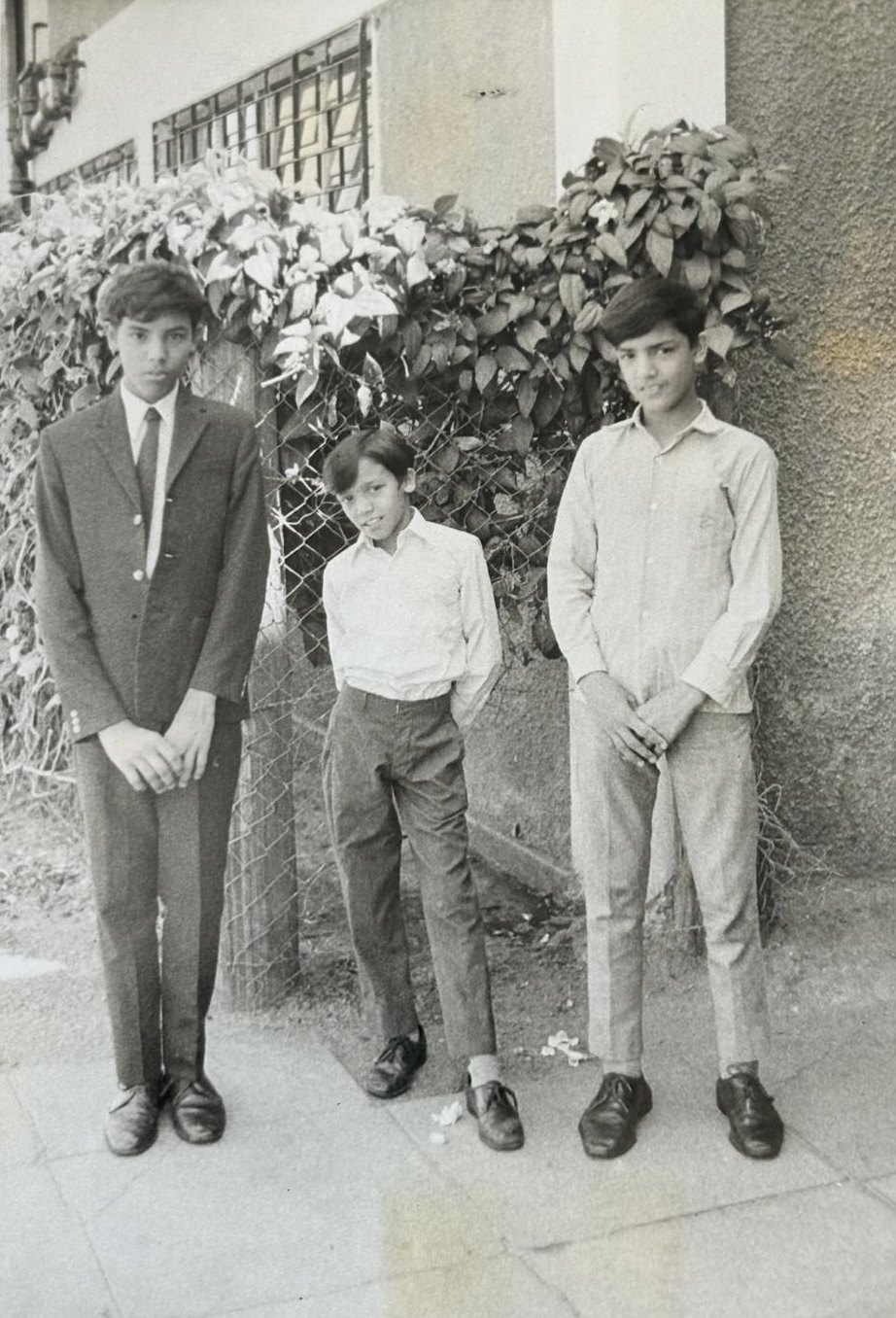
Only now, many years later, do I recognise what an extraordinary gift those conversations were.
Sitting there at The Nehru Centre, listening to Gandhi’s beloved bhajan, I felt a renewed connection to my father, my upbringing and the values that continue to guide me.
The Person I Still Aspire to Become
Yet the music also stirred something rather uncomfortable within me.
I’ve admired Gandhi’s teachings for much of my life, particularly his emphasis on compassion, humility and service. These are values I write about, speak about and try to live by through my work with The Connection Revolution.
But if I’m completely truthful, I don’t always find it easy to practise what I believe.
There are times when I’m too preoccupied with my own concerns to notice what someone else might be going through. Sometimes I make assumptions about people rather than becoming curious about their lives, and occasionally I look back wishing I’d been kinder, more patient or more understanding.
Only recently, I upset a friend because I was so caught up in my own perspective and convinced that I was right. It was only afterwards, reflecting on our conversation, that I realised how unkind my words had been and how easily my judgemental voice had taken over.
I hadn’t stopped to consider how my friend might be feeling or the impact my words could have on them.
It was a sobering reminder of how easily being righteous and self-centred can get in the way of being loving and compassionate.
I’ve since been trying to catch myself whenever that familiar urge to judge, criticise or prove a point arises, and to ask myself:
In the grand scheme of things, does this really matter?
Being right? Winning the argument? Having the last word?
Never as much as the person standing in front of me.
I need to continue to remind myself that human connection matters more than being right.
Perhaps that’s why Vaishnav Jan To touched me so deeply that evening. It wasn’t simply reminding me of the kind of world I want to help create. It was reminding me of the kind of human being I still aspire to become.
I’ve come a long way from the person I was years ago, but I know I still have a long way to go. My aspiration is to live with fewer judgements and preconceptions, becoming less attached to how I think other people and the world should be.
The Connection Revolution isn’t simply something I’m trying to inspire in others. It’s something I need to keep practising myself, every single day.
The Music That Connects Us
The concert was a wonderful celebration of Dr Bhupen Hazarika’s extraordinary legacy. Born in Assam in 1926, he was a composer, poet, filmmaker and humanist whose music carried messages of dignity, compassion, social justice and universal brotherhood across languages and cultures.
His nephew, Mayukh Hazarika, performed several beautiful songs, concluding with a particularly moving song in English about love and brotherhood.
I can’t recall the exact lyrics, but I certainly remember how it made me feel.
Looking around the room, I could see that the audience was just as enthralled as I was. People of different ages and backgrounds had come together to celebrate this remarkable musician, and for those couple of hours we were united by the joy of sharing something beautiful.
I was so moved by the performances that I didn’t want my gratitude to end with a round of applause. Afterwards, I wrote a heartfelt testimonial thanking Sunita, Mayukh, the other musicians and The Nehru Centre for creating such an unforgettable evening.
I wanted them to know just how much their contribution had meant to me.
And yet, there have been so many occasions in my life when I’ve felt deeply grateful for something someone has done, either for me or for others, but never actually expressed it. I’ve appreciated their kindness or generosity silently and then allowed the moment to pass.
Sometimes I’ve regretted that.
In my book Get the Life You Love, I devote chapters to gratitude and appreciation because I believe they are among the most powerful ways we can enrich our lives and relationships.
But knowing something intellectually and consistently putting it into practice are two very different things.
I sometimes wonder how transformative it would be if we all became a little more generous in expressing our appreciation, telling people when their kindness has touched us, when their work has inspired us or when their presence has made our lives better.
Not because we want anything in return, but simply because we care enough to let them know.
A Little More Compassion, Starting With Me
Looking back, I realise that what made that evening so special wasn’t simply the beautiful music. It was everything the music awakened within me: memories of my father, gratitude for the values my parents gave us and a renewed awareness of the kind of person I still aspire to become.
Above all, it reminded me of the simple message at the heart of Vaishnav Jan To: recognising another person’s suffering and responding with compassion.
My parents understood the importance of service and caring for others, and they did their best to pass those values on to their children. Gandhi lived and taught them on a much larger stage, while Dr Hazarika carried a similar message through his extraordinary music.
And here I am, still learning how to put those lessons into practice in the small, everyday moments of my own life.
So this week, I’d love to invite you to join me in a little experiment.
Think of someone whose kindness, generosity, creativity or presence has made a difference in your life, but whom you’ve never properly thanked. Reach out and tell them what they mean to you.
And perhaps, the next time you find yourself becoming impatient, judgemental or convinced that you’re right, pause for a moment and consider what the other person might be experiencing.
I shall be doing my best to practise both.
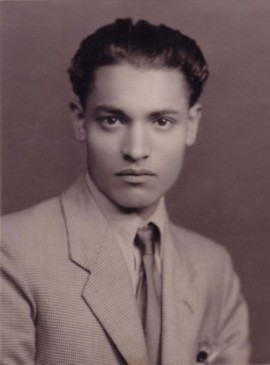
As I write these words, my thoughts return once again to my father and those precious childhood evenings when my brothers and I would sit listening to his stories.
I sometimes wish I could sit down with him again and tell him just how much his stories and teachings have shaped my life.
I think he’d be pleased to know that I’m still learning.
And perhaps he’d gently remind me that the most important lesson isn’t how much we know about compassion, but how much of it we bring into the lives of others.
Because you can’t outsource human connection.